
The AI video revolution is in full swing. What once required cameras, actors, and editing suites can now be conjured from a simple text prompt. But with new models launching monthly, choosing the right tool is overwhelming. Some excel at realism, others at speed, and a few at pure creative weirdness. We’ve tested the leading platforms to help you find the perfect fit. Here are the best text-to-video AI generators compared for 2026.
1. Pollo AI: The Ultimate One-Stop Creative Agent
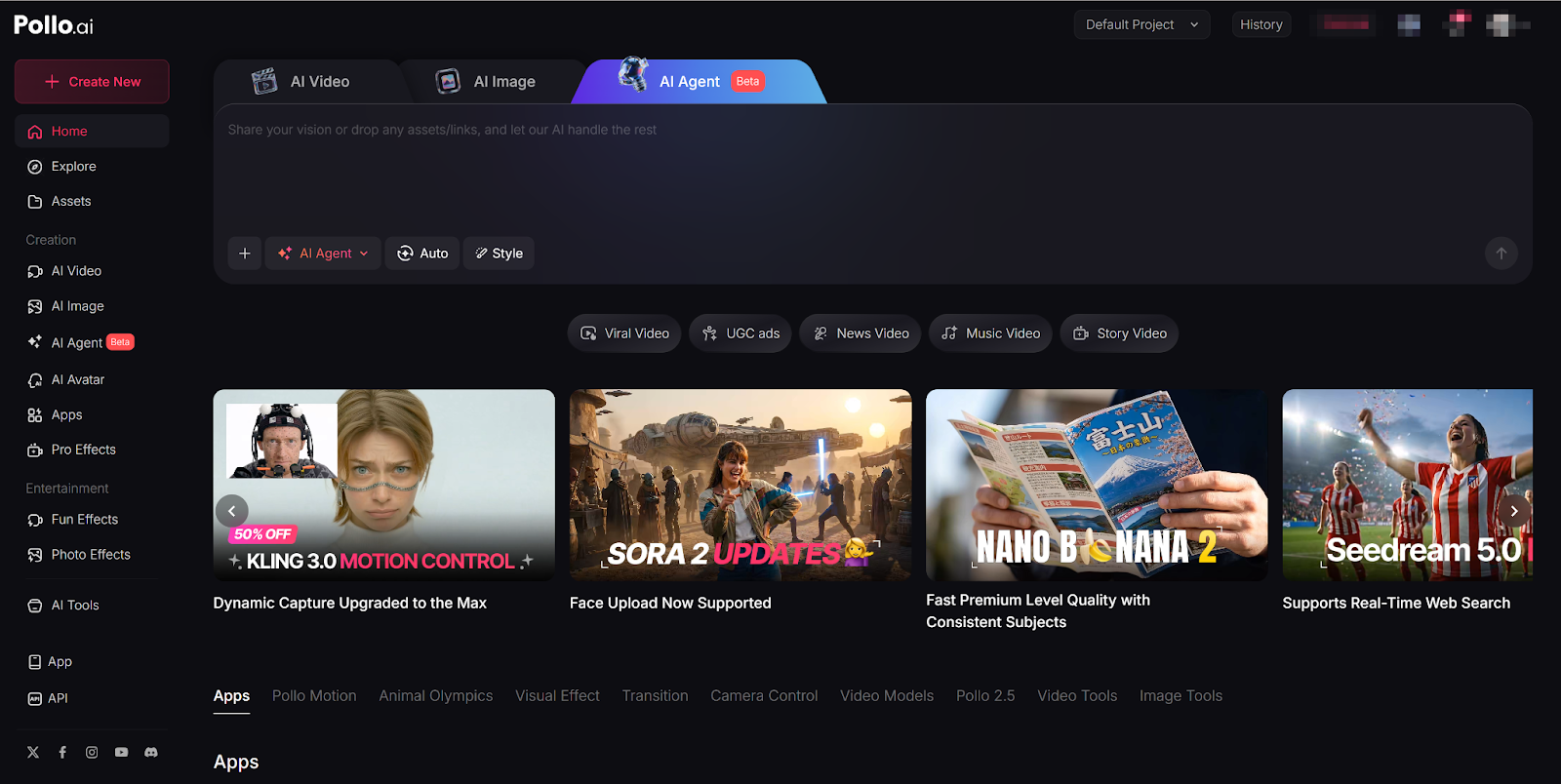
Topping our list is Pollo AI, and for good reason—it’s a complete creative ecosystem. Pollo AI distinguishes itself by aggregating multiple text to video AI generators under one roof, giving you access to models like Kling, Runway, Luma, and more without juggling subscriptions. But its true standout feature is the Pollo Agent, an intelligent assistant built for modern social media creators .
The Pollo Agent transforms how you approach content creation. It can automatically make videos for Facebook, Instagram, YouTube Shorts, and TikTok, adapting formats and trends for each channel. Backed by a vast library of proven viral templates, Pollo AI turns a simple idea into a fully produced video with script, trending music, and voiceover—all without manual editing. Available on web and mobile, it’s the ultimate AI tool for consistent, high-quality output.
Best for: Social media managers and creators who need multi-platform content at scale.
Pricing: Free plan available; Lite starts at $15/month .
2. Kling AI: The Photorealism Powerhouse
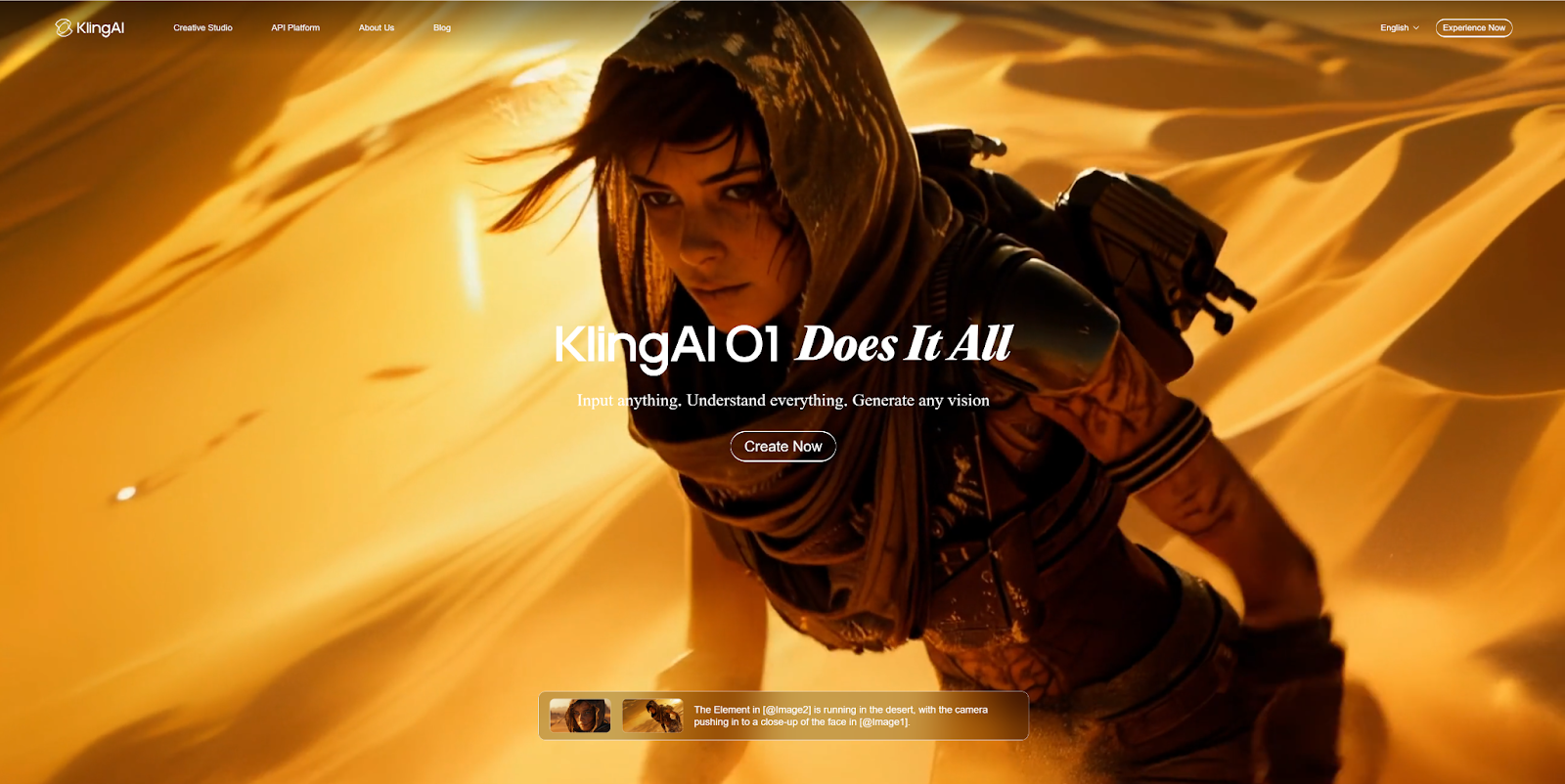
If your priority is jaw-dropping visual fidelity, Kling AI is your champion. Now in its 3.0 series, Kling has refined its architecture to produce stunning 1080p videos with remarkable texture detail and physically accurate motion . Its 3D spatiotemporal attention model ensures that objects behave realistically—water splashes, fabrics flow, and lighting remains consistent. Kling excels at turning static product shots or concept art into lifelike video sequences. The platform also offers an extensive library of video effects, from seasonal themes to viral dance moves, allowing for creative flair beyond straight generation . While its narrative capabilities require careful prompting, for pure, broadcast-ready visual quality, Kling sets the bar.
Best for: E-commerce product showcases, cinematic B-roll, and high-end concept visualization.
Pricing: Free plan available; Standard from $6.60/month .
3. Runway Gen-4: The Professional’s Studio
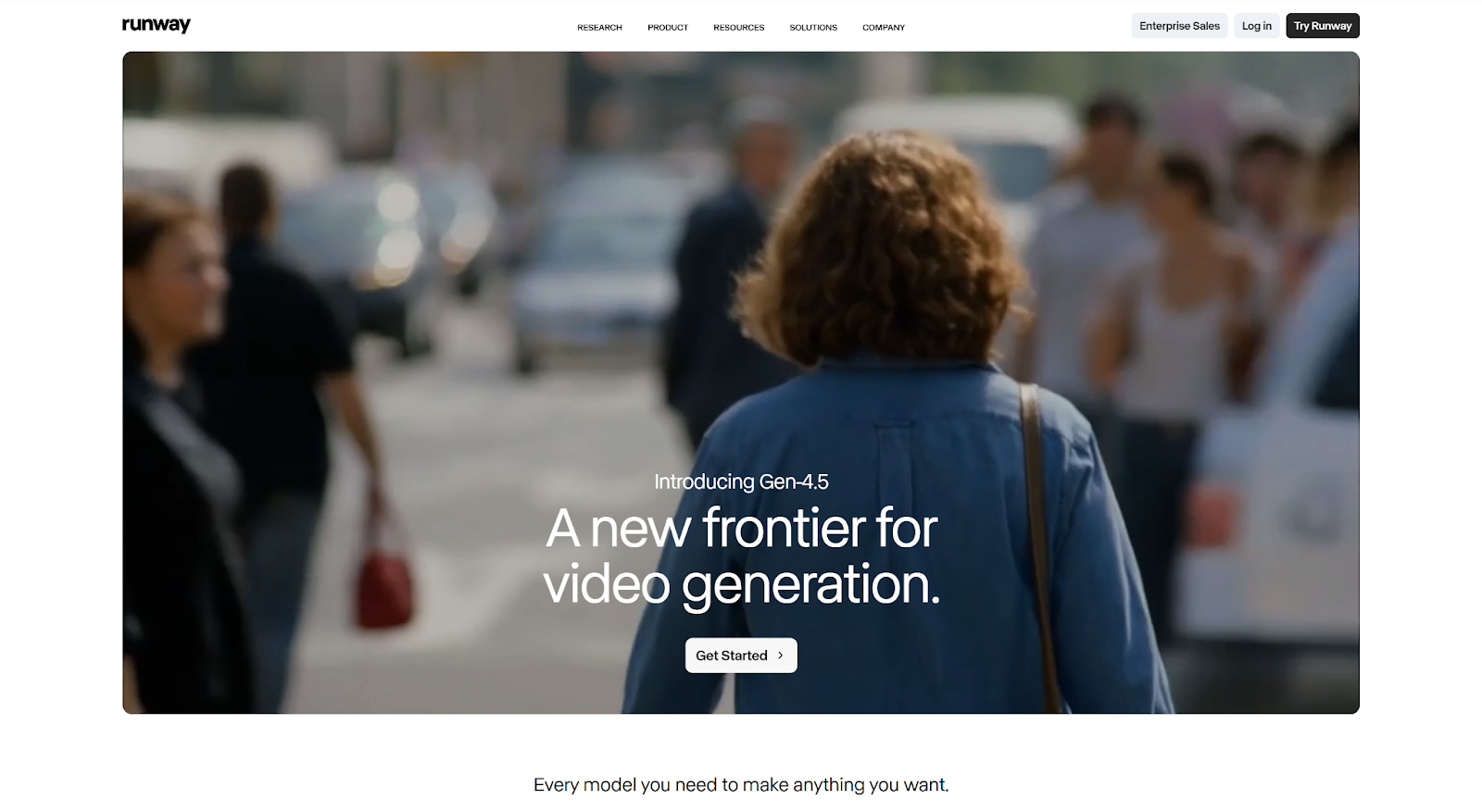
Runway remains the undisputed leader for creators who demand granular control. The Gen-4 model introduces breakthrough “consistent character” technology, maintaining a subject’s appearance—face, clothing, even props—across multiple shots and angles . This solves the long-standing “character drift” problem, making it ideal for narrative storytelling with multiple scenes. Beyond generation, Runway is a full suite of over 30 AI “magic tools” for tasks like removing backgrounds, inpainting objects, and tracking motion . It’s less about instant virality and more about integrating AI into a professional post-production workflow. The physics simulation for elements like water, fire, and fabric is impressively realistic, lending a cinematic quality to every clip .
Best for: Filmmakers, visual artists, and brands creating multi-shot narratives with consistent characters.
Pricing: Free trial with 125 credits; Standard from $12/month .
4. OpenAI Sora 2: The Benchmark for Realism
Sora 2 represents a massive leap forward, particularly in its understanding of the physical world and its integration of audio. Videos now stretch to 25 seconds—a significant jump—and are generated in full 1080p with synchronized dialogue, sound effects, and background music that matches the on-screen action perfectly . The new “character cameos” feature, bolstered by a partnership with Disney, allows for the insertion of licensed characters into custom scenarios, opening incredible doors for branded entertainment . Sora 2’s prompt adherence is top-tier, grasping complex spatial relationships and cinematic language. It’s the closest any tool has come to generating a complete, ready-to-publish video clip from a single prompt.
Best for: High-end narrative content, marketing campaigns needing synchronized audio, and character-driven stories.
Pricing: Access via ChatGPT Plus ($20/month) or API .
5. Pika 2.5: The Creative Playground
Pika has carved its niche by prioritizing fun, speed, and creative control. Now at version 2.5, its “physics-aware” engine understands how objects should interact—the weight of a punch, the squish of a balloon—making generated motion feel grounded and intentional . The platform’s magic lies in its Pikaffects, pre-set physics simulations like “Crush,” “Melt,” “Inflate,” and “Explode” that you can apply to any object with one click. For creators who want to add surreal, eye-catching twists to their content, Pika is unmatched. It also features integrated sound effect generation that matches on-screen action and upgraded lip-sync capabilities . The clean web dashboard and seamless mobile sync make iterating on ideas incredibly fast.
Best for: Viral social media effects, experimental art, and creators who want to add a unique, stylized twist.
Pricing: Free plan (480p, watermarked); Standard from $8/month .
6. Google Veo 3.1: The Storyteller’s Choice
Google Veo 3.1 excels at understanding and executing cinematic direction. Its latest update introduces “Ingredients to Video,” allowing you to provide reference images for characters or environments to anchor the AI, ensuring consistency across scenes . Crucially, Veo 3.1 offers native vertical (9:16) output, perfectly optimized for mobile-first platforms without cropping or quality loss. For high-end work, it supports upscaling to 4K resolution. It’s deeply integrated into Google’s ecosystem, available through the Gemini app and Vertex AI, making it a powerful tool for those already using Google’s suite. If you need a video with specific camera movements like “slow dolly zoom” or “aerial establishing shot,” Veo 3.1 delivers with professional precision .
Best for: Storytellers needing directorial control, mobile-first content, and long-form (60+ second) projects.
Pricing: Starting at $0.15/second .
7. Luma Dream Machine: The 3D Visionary
Luma’s Dream Machine leverages the company’s expertise in 3D and NeRF (Neural Radiance Fields) technology to offer unique capabilities . Its core strength is generating video with exceptional camera control and object-focused motion. The “Keyframe” feature lets you guide the narrative by setting a starting and ending image, creating smooth, intentional transitions. “Modify” allows you to take existing footage and change its look—swap backgrounds, apply new visual styles—while preserving the original motion . For creators who want to bridge the gap between 2D video and 3D spatial awareness, or who need precise control over how a scene evolves, Luma offers a distinct and powerful toolkit, though its video length remains relatively short.
Best for: Product visualization, 3D artists, and creators needing precise camera paths and transitions.
Pricing: Free plan (watermarked); Paid plans start at $9.99/month .
The Verdict
Your choice depends entirely on your goal. For pure social media dominance across every platform, Pollo AI’s Agent-driven, multi-format approach is unbeatable. For cinematic storytelling with consistent characters, Runway or Sora 2 are your go-tos. And if you want to add a viral, physics-defying twist, Pika remains the king of creative effects. The best news? You no longer have to choose just one.