
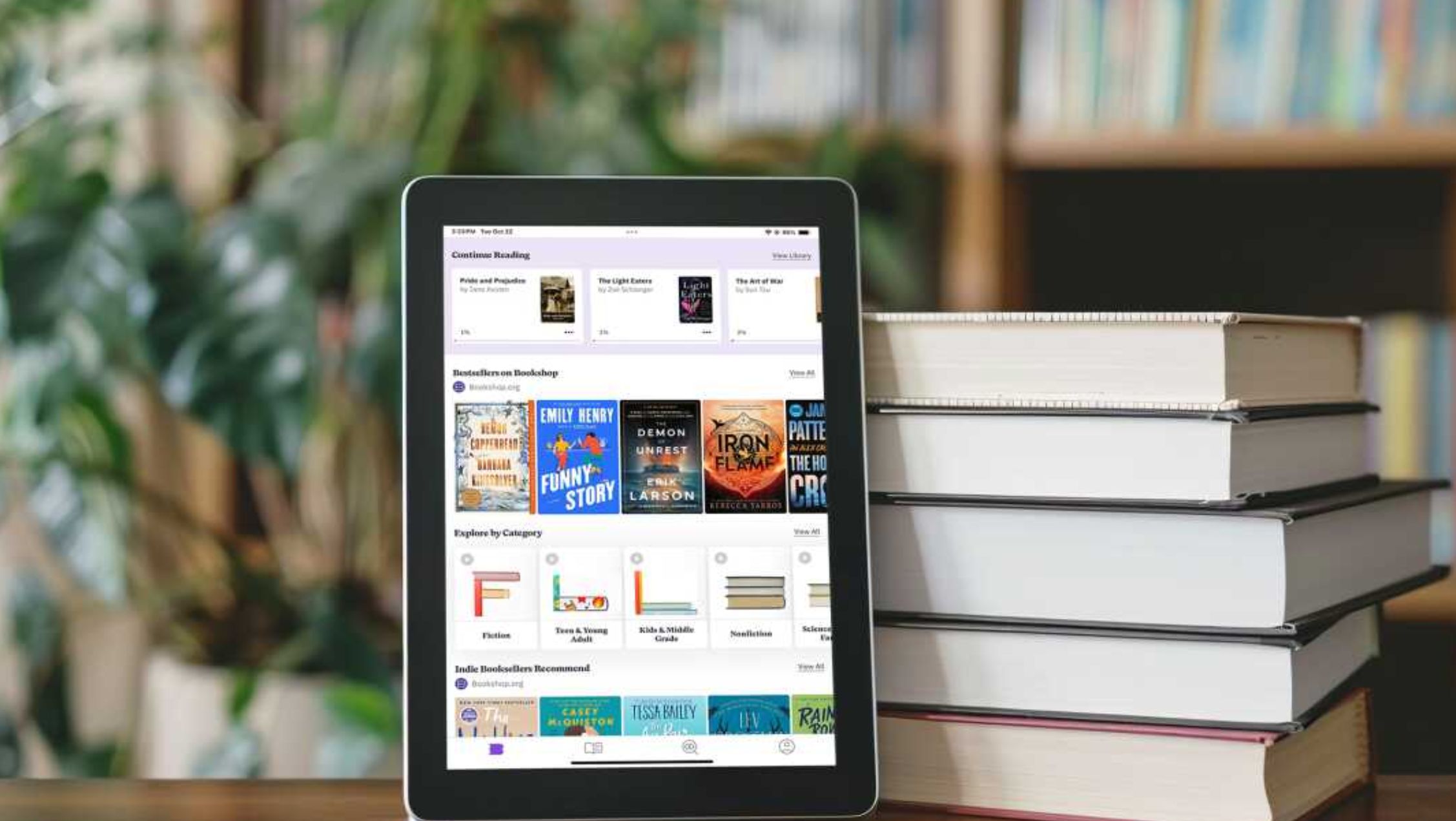
Reading has always been about imagination. Yet, the tools we use to read have changed many times. From stone tablets to printed books to e-readers, each shift expanded what stories could do. Now another major change is happening. Augmented Reality, often called AR, is pushing the development of interactive books into new territory and is shaping what many experts describe as the future of reading. This evolution is more than a trend. It is a technological turning point. It is also a cultural one.
What Augmented Reality Adds to the Reading Experience
Augmented reality places digital elements into the real world. It doesn’t replace reality the way virtual reality does. Instead, it enhances it. When reading books online, AR can project 3D characters, animations, sounds, or explanations right above the printed page. And it’s clear that digital platforms like FictionMe and similar platforms will be the first in this direction. As AR books become more widespread, they will always be available on FictionMe. Very soon, a student can rotate a 3D model of a human heart. Even a history lover can watch a battle unfold above the page.
The simple idea is powerful. It makes information “stick.” Studies from educational research groups show that interactive visuals can increase reader engagement by up to 30 percent. Children, especially, retain more information when they combine reading with active exploration. AR encourages exactly that.
How Interactive Books Are Being Developed Today
The development of interactive books has accelerated rapidly in the last five years. Traditional publishers, small studios, and even independent authors are experimenting with AR-enabled printing. More publishers are moving into the digital realm, offering app downloads to smartphones for AR content. Their goals vary. Some aim to help students learn faster. Others want to create immersive stories that feel half like films and half like novels. And many simply want to add new layers of meaning to old formats.
Although this may sound complex, more accessible tools are appearing every year. According to industry surveys, the number of AR publishing platforms has grown by 45 percent since 2020. This growth is reducing the cost of production and inviting more creators to participate.
Why Readers Respond So Strongly to AR Books
AR changes the emotional rhythm of reading. It adds surprise. It adds layers. It adds movement where readers expect stillness. And this contrast creates curiosity. Readers, especially younger ones, enjoy turning a page when they do not know what will appear next.
Some reasons for the strong response include:
- Immersion. AR blends text and digital worlds, giving readers a sense of being inside the story.
- Interaction. Touching, rotating, zooming, or triggering elements makes reading active instead of passive.
- Personal pace. Readers can explore scenes for as long as they want.
- Accessibility. Complex subjects (like physics or architecture) become clearer when paired with 3D models or animations.
AR and the Future of Reading
Many experts argue that AR marks the future of reading. Not because printed books will disappear. They will not. But AR expands what printed books can do. It allows stories and educational materials to evolve in ways that traditional formats cannot match.
Here are several developments shaping the next stage:
1. Hybrid Digital-Print Books
Readers will increasingly buy printed books that unlock digital chapters, hidden stories, character voices, or interactive tasks. These hybrid editions are already appearing in fantasy and science fiction.
2. AR in Education
As more schools adopt AR textbooks, subjects including biology, geography and engineering get a high‑tech boost. Initial trials reveal that adding AR to regular lessons lifts test scores by roughly 12 to 18 percent.
3. Personalized Learning Experiences
Soon AR books will tune their difficulty to match each reader’s skill. A beginner sees easy words and tiny hints; an expert reads the full, layered analysis that follows.
4. Storyworld Expansion
Authors can use AR to build “world layers” around their books. Within the book, hidden clues surface only when you open the app. Readers get a live map and a short cultural vignette on every page, making travel planning feel immediate.
5. Increased Accessibility
For those who find audio hard to follow, visual cues can be turned on. For anyone facing a language barrier, the system pops up a translated overlay without delay. If you’re trying to master a technique a book can’t show, AR can guide you through it.
Challenges Slowing Down AR Adoption
The shift isn’t smooth; the first rollout often trips up teams. Technology powers the experience found in AR books. In practice, you’ll want a smartphone or e‑reader, an application that remains steady during use, and a room lit with a lamp or daylight that eliminates shadows. Making high quality 3D content adds another line item to a publisher’s budget. Budget constraints keep several districts from implementing AR textbooks on a wide scale.
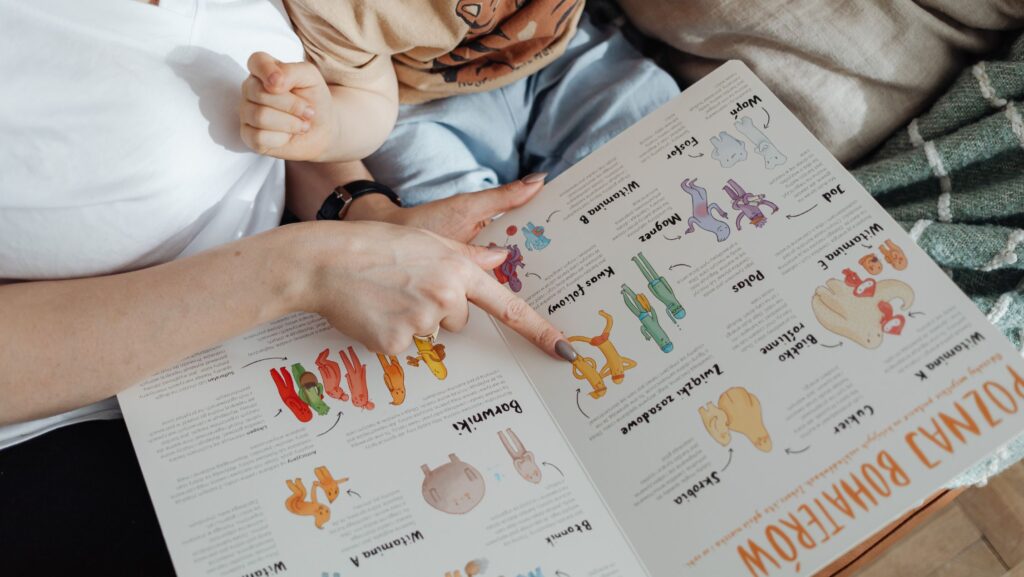
Another point to consider: how people read daily. A good number of people favor sitting down with a printed story, steering clear of any digital overlay. Many fear tech will distract rather than fuel the creative mind. That’s a valid concern. Treat AR gently; a slip can cause problems. It works best when it expands the narrative instead of taking its place. AR ought to let light in, like a window, not stand firm like a wall.
Conclusion: Books Are Not Finished; They Are Evolving
Augmented Reality isn’t fighting against the way we read. It is an evolution. It brings stories forward without taking anything away. It equips teachers with fresh resources. It lets artists mold narratives in brand new formats. You’ll notice a world that’s both richer and more complex.
As gadgets become less tricky, an increasing crowd of publishers are signing up for the change. More people picking up the book will actually give it a go. The trend shows more and more classrooms deciding to try it out, thanks to its ease of use and clear benefits. Bit by bit, augmented reality is slipping into our reading material. The page will remain. But what rises above it will keep changing, opening new doors in the future of reading and continuing the long, inventive development of interactive books.