
Here’s something most people don’t realize: online gaming has been quietly stress-testing the internet harder than almost anything else out there. Remember that Travis Scott concert in Fortnite back in 2020? 12.3 million people showed up at the same time. That wasn’t just a virtual concert. It was basically a massive infrastructure experiment, and somehow the whole thing actually worked.
Gaming companies rarely get credit for what they’ve had to build over the years. They figured out real-time data transmission where even tiny delays ruin everything. Your Netflix stream can buffer for a few seconds and nobody cares. A headshot in Valorant? That can’t wait even a fraction of a second.
The Numbers Are Wild
Steam regularly has 30 million people online at once. That’s more than the entire population of Texas hammering servers simultaneously, and Steam is just one platform out of many.
Game updates alone create chaos. Call of Duty: Modern Warfare dropped an 84GB patch on day one. Download servers basically collapsed. People waited days for something that should’ve taken a couple hours.
But downloads aren’t even the hard part. The real nightmare is latency. Multiplayer games need sub-50ms response times across thousands of kilometers. Consistently. For hours. With millions of players. It’s honestly kind of ridiculous that it works at all.
Why Games Break Everything
Most websites work on a simple back-and-forth. You click something, the server thinks about it, sends a response. Done. Gaming throws that model out the window completely.
Competitive shooters send somewhere between 60 and 128 updates every single second, per player. That’s constant two-way data streaming where milliseconds actually matter. Plenty of serious players use a gaming proxy to shave off latency and get around regional server restrictions. These route traffic through faster paths that your regular ISP connection just doesn’t use.
Where your server sits geographically makes a huge difference too. An IPRoyal article on residential proxies vs isp breaks down how different proxy types affect both connection speed and whether websites flag you as suspicious. ISP proxies pull from actual residential addresses, so they’re faster than typical datacenter options while still looking legitimate.
Professional esports has prize pools over $40 million these days. At that level, an extra 20 milliseconds of lag can genuinely cost someone their career.
How Gaming Companies Figured It Out
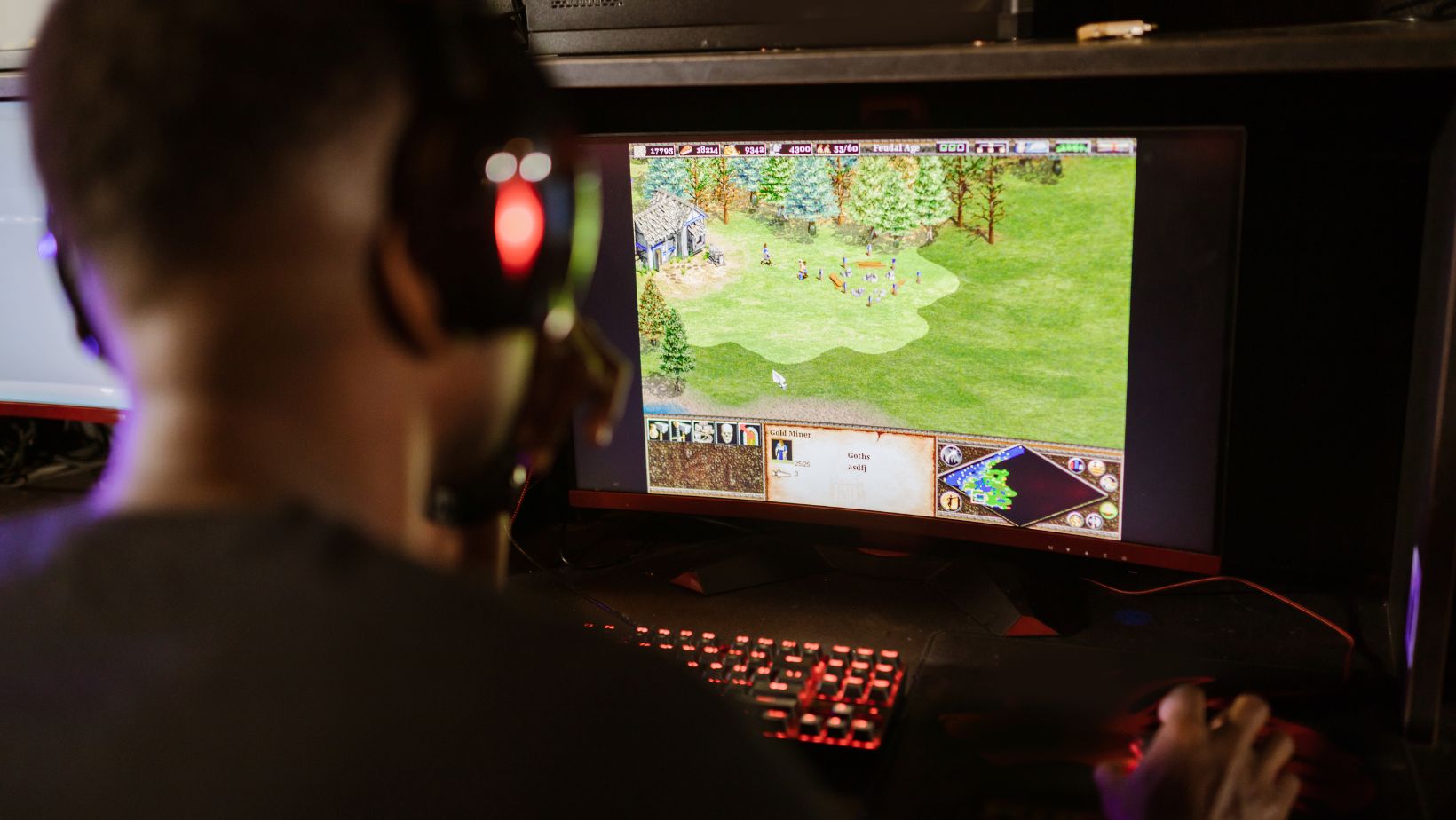
They basically had to become infrastructure companies whether they wanted to or not. Akamai, which runs one of the biggest content delivery networks on the planet, has said gaming traffic makes up a massive chunk of peak internet usage worldwide.
Standard cloud hosting just couldn’t handle what games needed. Amazon Web Services eventually built dedicated game server products because their regular offerings weren’t cutting it. Edge computing (processing data geographically closer to users) grew partly because gaming demanded it.
Riot Games took things even further. They built their own global network with over 35 connection points around the world. They essentially became their own internet provider just so League of Legends players would have acceptable ping.
Everyone Benefits From This
All that gaming infrastructure work has spilled over into other industries. Low-latency streaming tech originally built for cloud gaming now runs video calls. DDoS protection techniques that gaming companies pioneered to keep servers online during attacks now guard banks and government websites.
Statista puts the gaming industry at over $180 billion in annual revenue. That kind of money justifies building infrastructure that smaller industries could never afford on their own. When gaming companies solve a problem, other sectors eventually inherit those solutions.
The demands keep getting crazier too. Cloud gaming services like Xbox Cloud Gaming stream actual gameplay (not just pre-recorded video) and need input latency under 40ms to feel responsive. VR multiplayer requires consistent 90fps while tracking head movements that have to round-trip to servers in under 20ms or people start feeling motion sick.
Where This Goes Next
Cross-platform play, persistent online worlds, cloud saves syncing across devices. Server mesh technology now lets thousands of players share the same virtual space. Each year adds more complexity.
When a battle royale successfully drops 150 players from a flying bus without melting down, that underlying tech eventually shows up in applications nobody’s thought of yet. Gaming pushed the internet to be faster and more reliable. And honestly, it’s nowhere close to done.