

Poker is a game of decisions, not just luck. Over the long run, players who understand ranges, position and psychology win more often than those who simply wait for “good cards”. Below is a practical strategy guide you can use both live and online to build a stable, winning approach.
Solid Preflop Foundations
Your decisions before the flop shape everything that happens later. Playing too many hands is the fastest way to lose money. Focus on a strong, disciplined starting range. Premium hands like high pairs, AK and AQ should usually be played aggressively, especially in late position. Medium pairs and suited broadways are good candidates for raising rather than limping, because you either win the pot preflop or build it when you are ahead.
Weak offsuit hands, especially with gaps (like J4, T3, 82), should almost always be folded, particularly from early position. Suited connectors such as 98s or T9s can be profitable when stacks are deep and you are in position, because they hit disguised strong hands. By tightening your preflop selection, you avoid marginal spots, protect your bankroll, and arrive at the flop with a real equity advantage.
The Power of Position
Position is one of the biggest edges in poker and you should always be aware of where you sit relative to the button. When you act last, you see how many players entered the pot, who showed strength, and who looks weak. This extra information allows you to choose better bet sizes, control the final pot size, and pick off bluffs more effectively.
From early position, play tight and avoid speculative hands that are hard to realize out of position. In middle position you can slowly open your range, but still stay disciplined. On the button and in the cutoff you can raise more often, steal blinds, and apply pressure to players who hate playing from the blinds. Making decisions with information instead of guessing is one of the key reasons positional awareness turns regular players into consistent winners.
Thinking in Ranges, Not Specific Hands
Beginners often ask, “What hand does he have?” Strong players ask, “What range of hands does he have here?” Every action an opponent takes helps you narrow this range. A tight player who raises under the gun usually represents strong broadways and big pairs. A loose player calling from the big blind will have many more weak suited hands and random connectors.
As the board develops, you compare this range to your own holding and to the texture of the board. On dry boards with few draws, big bets often represent strong made hands or well-timed bluffs. On wet, coordinated boards, more of the range can connect, so calling lightly becomes dangerous. Training yourself to think in ranges instead of single hands makes your decisions more logical and protects you from emotional, “hero” calls in bad spots.
Smart, Controlled Aggression
Winning players are usually the aggressors, not the ones who only call. Well-chosen aggression gives you two ways to win a pot: your opponent folds, or they call with a worse hand. Value betting is essential – when you believe you have the best hand and expect weaker hands to call, you should bet confidently instead of slowplaying.
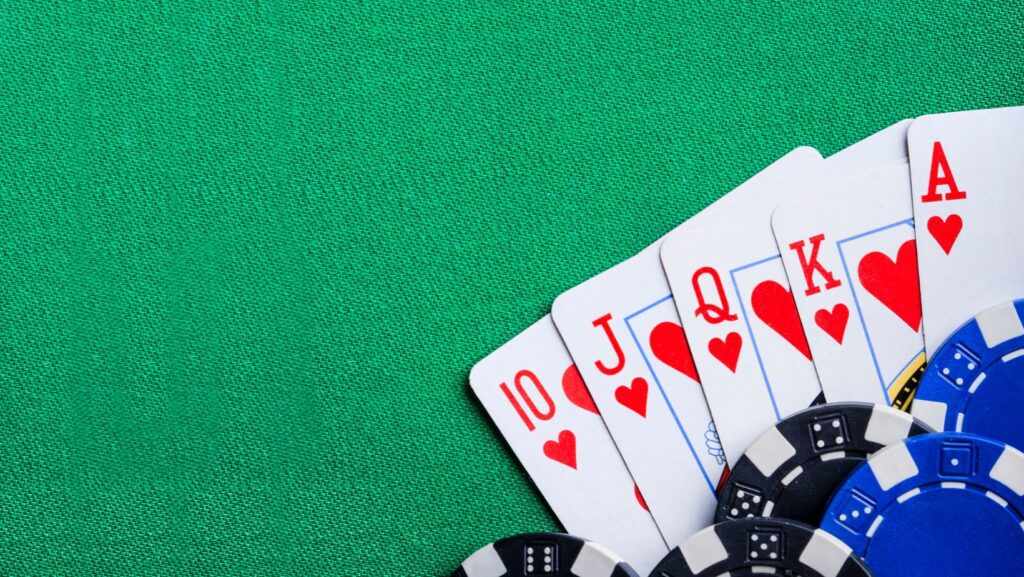
Bluffing works best when the story you tell is believable and the board favors your perceived range. Semi-bluffs with strong draws (such as combo straight and flush draws) are particularly powerful, because even if you are called, you still have plenty of outs to improve. Avoid random, emotional bluffs; instead, choose spots where your opponent’s range is capped and the board heavily favors the hands you represent.
Bankroll Discipline and Tilt Control
Even the best strategy cannot remove variance. You will experience bad beats, coolers, and long stretches without premium hands. Bankroll management protects you during these periods. Never risk a large portion of your total poker funds in one game. Choose limits where losing a few buy-ins does not emotionally or financially destroy you. If you hit a downswing, move down in stakes until your confidence and results stabilize.
Tilt is your invisible enemy. After a painful loss, many players start chasing money, bluffing wildly, or calling in hopeless spots. Recognize the early signs of tilt: frustration, desire to “win it back now”, or impatience. Take short breaks, step away from the table, or end the session if necessary. Calm, focused decisions are always more profitable than emotional reactions.
Practice and Continuous Learning
Poker rewards players who constantly refine their game. Reviewing key hands after each session helps you find leaks in your thinking. You can ask yourself whether your bet sizes were optimal, if your bluffs had enough fold equity, or if you value bet too thin against certain opponents. Watching training content and discussing hands with stronger players speeds up progress dramatically.
If you like playing on mobile and want a convenient way to apply these strategic ideas in real games, you can try online rooms accessible via 1xbet Somalia download. Use low-stakes tables to practice tight preflop ranges, respect for position, and disciplined aggression without risking a large bankroll. Over time, your improved decision-making will turn poker from a guessing game into a controlled, strategic battle you are prepared to win.