When preparing for a trip, most travelers focus on obvious essentials: luggage, chargers, power banks, adapters, and navigation apps. One tool that often gets overlooked until the last minute, however, is mobile connectivity. In a country like Vietnam—where travel is fast-moving, cities are busy, and routes change quickly—having reliable internet access can be as important as any physical piece of gear.
From navigation and translation to payments and safety, mobile data is a core travel tool that supports nearly every other digital function.
Why Connectivity Is a Core Travel Tool
Modern travel depends heavily on smartphones. Travelers rely on them to:
-
navigate unfamiliar streets
-
book transport and accommodation
-
translate languages in real time
-
access digital tickets and confirmations
-
communicate with local services and contacts
-
manage payments and banking apps
Without mobile data, even simple tasks can become inefficient or stressful—especially in a country where signage and services may not always be in English.
The Limits of Relying on Wi-Fi
Public Wi-Fi is widely available in Vietnam, particularly in hotels, cafés, and airports. However, Wi-Fi alone is rarely enough to support a smooth travel experience.
Common limitations include:
-
unstable connections during peak hours
-
no access while moving between locations
-
security risks on open networks
-
limited availability outside major cities
For travelers who are frequently on the move—using ride-hailing apps, checking maps, or adjusting plans—mobile data provides flexibility that Wi-Fi cannot.
Roaming vs Local Connectivity Tools
Many travelers initially consider using international roaming through their home carrier. While convenient, roaming often comes with:
-
high daily fees
-
restricted data allowances
-
slower speeds after thresholds are reached
Because of these limitations, travelers increasingly look for alternatives that offer more predictable performance and cost control.
This is where local connectivity tools come into play, particularly SIM-based solutions.
Why a Local SIM Card Still Matters
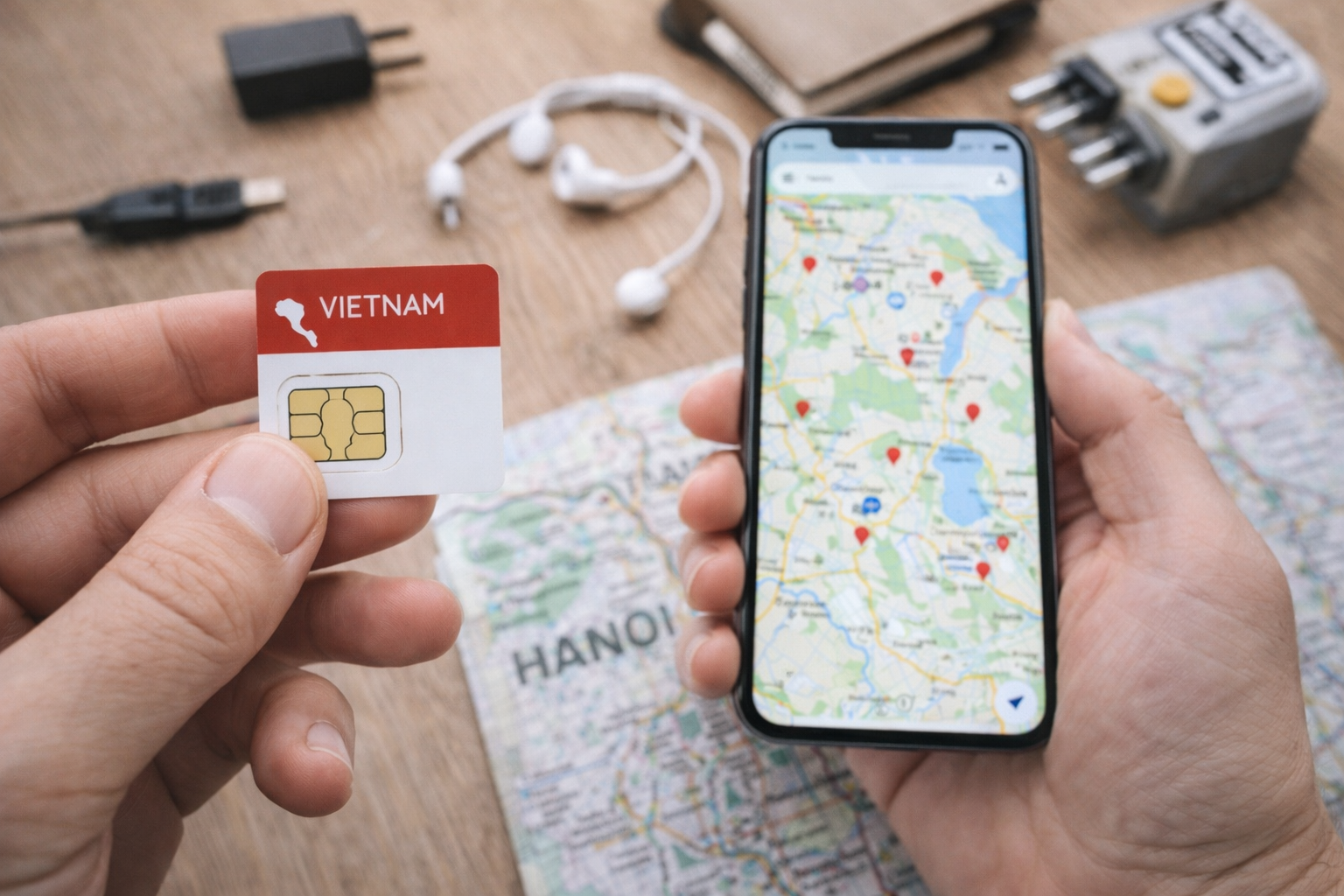
Despite the growth of digital tools, local SIM cards remain one of the most practical connectivity solutions for travelers. A SIM card allows direct access to local networks, often delivering better speeds and coverage than roaming.
When choosing a SIM solution for Vietnam, travelers typically consider:
-
network coverage in cities and rural areas
-
data limits and validity period
-
ease of activation
-
compatibility with their device
Some travelers research options in advance, such as a mobile sim card in Vietnam with Holafly, as part of comparing available tools before departure.
What to Look for in a Vietnam SIM Tool
Not all SIM solutions are equal. As with any travel tool, choosing the right one depends on use case. Travelers should evaluate:
-
how much data they realistically need
-
whether they will travel between regions
-
if setup requires in-country purchase or registration
-
whether customer support is available if issues arise
For short trips focused on navigation and messaging, minimal data may suffice. For longer stays, remote work, or content sharing, higher data allowances become essential.
Connectivity and Travel Safety
Beyond convenience, mobile data plays a role in safety. Real-time access allows travelers to:
-
check weather conditions
-
receive transport updates
-
access emergency services
-
locate nearby hospitals or embassies
In unfamiliar environments, this access can be critical, especially when plans change unexpectedly.
Connectivity as Part of a Smart Travel Kit
Experienced travelers treat connectivity the same way they treat power banks or travel adapters: as a foundational tool. When planned properly, it fades into the background and supports the trip without drawing attention.
A well-prepared travel kit often includes:
-
a reliable phone
-
offline backups for maps and documents
-
a power solution
-
a dependable mobile data setup
When these elements are in place, travelers can focus on exploring rather than troubleshooting.
Planning Ahead Saves Time and Stress
One of the most common travel mistakes is leaving connectivity decisions until arrival. Researching options in advance allows travelers to:
-
compare tools calmly
-
avoid airport rush decisions
-
understand limitations before they matter
This approach aligns with the broader travel principle: the right tool chosen early prevents problems later.
Final Thoughts
Travel tools are meant to solve problems before they occur. In Vietnam, where travel is dynamic and information-driven, mobile connectivity is not optional—it’s functional infrastructure.
By treating mobile data as a core travel tool rather than an afterthought, travelers gain flexibility, safety, and control over their experience. As with any piece of gear, the best solution is the one that fits your travel style and works reliably when you need it.
Choosing the right connectivity tool won’t define your trip—but lacking one can certainly complicate it