
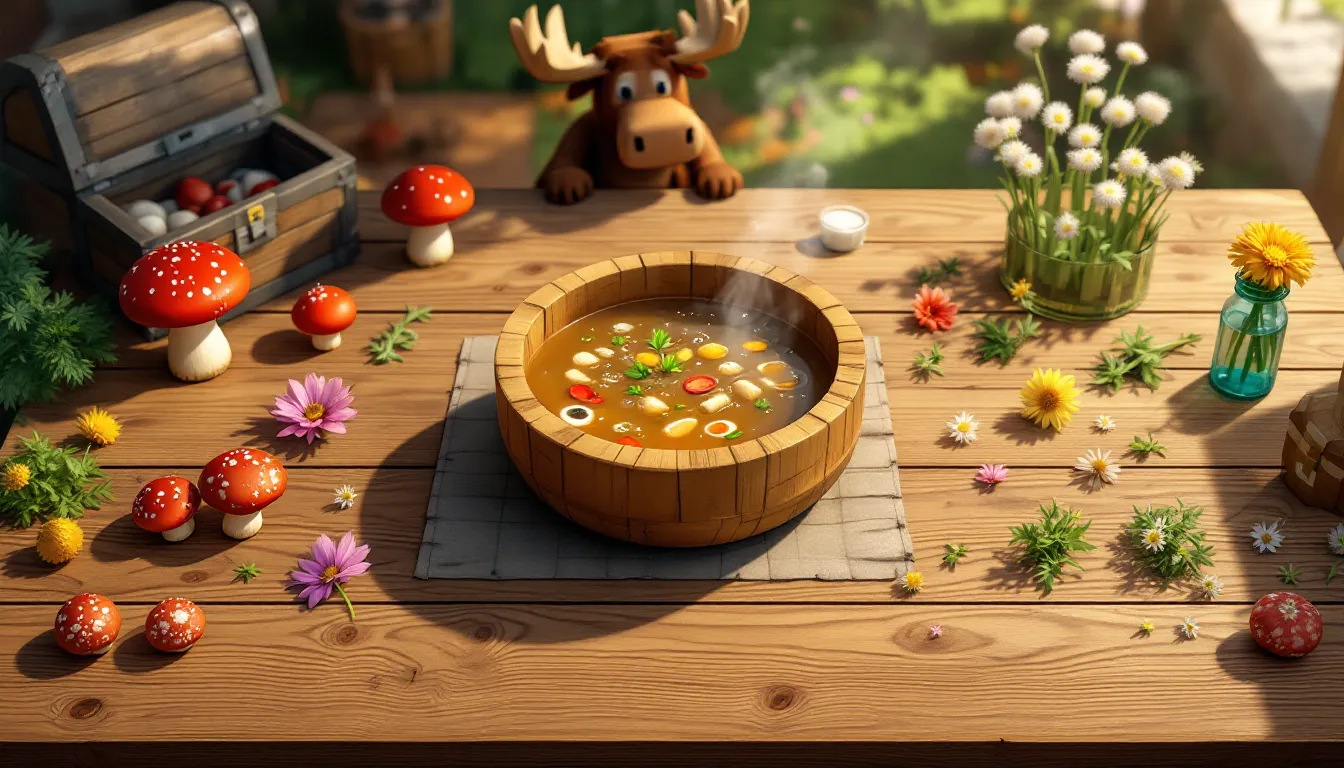
Minecraft’s food system is full of quirky mechanics, but nothing quite matches the versatility and mystery of suspicious stew. Unlike golden apples or cooked pork chops, this unassuming bowl of soup can grant status effects ranging from life-saving regeneration to debilitating poison, all depending on which flower you toss into the recipe. It’s the only food item in the game with such wildly variable outcomes, making it both a strategic tool and a potential trap.
Whether you’re prepping for a boss fight, planning a PvP ambush, or just curious about the mechanics behind Minecraft suspicious stew, this guide breaks down everything you need to know. From crafting recipes and flower-effect pairings to shipwreck loot and mooshroom farming, we’ll cover every method of obtaining it and explain when it’s actually worth using over more predictable food sources.
Key Takeaways
- Suspicious stew in Minecraft offers unpredictable status effects based on the flower used in the recipe, ranging from beneficial buffs like Regeneration to harmful effects like Poison or Wither.
- The crafting recipe requires one red mushroom, brown mushroom, bowl, and a specific flower—with the flower type determining the effect granted when consumed.
- You can obtain suspicious stew through three non-crafting methods: shipwreck loot chests, villager trades, or by feeding flowers to brown mooshrooms and milking them with a bowl.
- Suspicious stew is most valuable as an early-game alternative to potions before unlocking brewing, providing quick buffs without requiring Nether materials or extensive resources.
- A brown mooshroom farm is the most efficient way to produce targeted suspicious stews on-demand, allowing you to feed specific flowers and consistently harvest their corresponding effects.
- Unknown suspicious stew found in loot or from trades is a gamble—always test random stews in safe environments first to avoid being poisoned or blinded at critical moments.
What Is Suspicious Stew in Minecraft?
Suspicious stew is a consumable food item introduced in the Village & Pillage update (Java Edition 1.14, Bedrock Edition 1.10.0). When eaten, it restores 6 hunger points and 7.2 saturation, solid stats, but not exceptional compared to alternatives like steak or golden carrots.
What sets it apart is the hidden status effect. Every bowl of suspicious stew carries a single effect determined by the flower used in its recipe. These effects range from highly beneficial (like Night Vision or Regeneration) to outright harmful (Poison or Wither). The kicker? You can’t tell which effect a stew has just by looking at it. The tooltip doesn’t reveal the effect unless you crafted it yourself or know the source.
This unpredictability makes suspicious stew a double-edged sword. In controlled situations, like when you’re crafting it yourself with specific flowers, it’s a powerful tool. But random stew found in loot chests or traded from villagers can be a gamble. The lack of transparency is intentional design, rewarding players who understand the flower-to-effect mapping.
Suspicious stew doesn’t stack in your inventory, which is a major drawback. Each bowl occupies a separate slot, making it impractical for long expeditions unless you’re targeting a specific effect for a short-term goal.
How to Craft Suspicious Stew
Crafting suspicious stew is straightforward once you’ve gathered the right components. The recipe itself is shapeless, meaning you can arrange the ingredients anywhere in the crafting grid.
Required Ingredients and Materials
You’ll need exactly four items to craft one bowl of suspicious stew:
- 1 Red Mushroom
- 1 Brown Mushroom
- 1 Bowl
- 1 Flower (the type determines the effect)
Mushrooms spawn naturally in dark areas, Mushroom Fields biomes, and the Nether (for red mushrooms). Bowls are crafted from three wooden planks arranged in a “V” shape. The flower is the variable ingredient, there are over a dozen flower types in Minecraft, each tied to a specific effect.
Step-by-Step Crafting Process
- Gather mushrooms. Head to a dark forest, swamp, or Mushroom Fields biome. You can also farm mushrooms in low-light conditions or use bone meal on mycelium/podzol for quick spawns.
- Craft a bowl. Use three planks of any wood type in a crafting table.
- Choose your flower. This is the critical decision. Want Regeneration? Grab an Oxeye Daisy. Need Night Vision? Pick an Orchid. We’ll cover the full flower-effect list in the next section.
- Combine in any order. Place the red mushroom, brown mushroom, bowl, and flower in a crafting table or your 2×2 inventory grid. The stew appears instantly.
The crafting process doesn’t consume the bowl permanently, you can wash and reuse bowls by crafting more stew or other bowl-based foods. But, each crafting session produces only one stew, so mass production requires multiple sets of ingredients.
Every Flower and Its Effect: Complete Breakdown
The flower you choose dictates the status effect and its duration. Here’s the exhaustive list, organized by effect category. All durations listed are for Java Edition: Bedrock Edition mirrors these values in most cases.
Positive Effect Flowers
These flowers grant beneficial buffs that can turn the tide in survival or combat scenarios:
- Oxeye Daisy → Regeneration (8 seconds). Heals 4 health points over the duration. Clutch for post-combat recovery.
- Cornflower → Jump Boost (6 seconds). Increases jump height, useful for parkour or scaling walls quickly.
- Lily of the Valley → Poison (12 seconds). Wait, this isn’t positive. It’s listed here due to its flower category in-game, but the effect is strictly negative.
- Dandelion → Saturation (0.35 seconds). Instantly restores 1 hunger point and 2.4 saturation. The duration is near-instant.
- Blue Orchid → Saturation (0.35 seconds). Identical effect to Dandelion.
- Azure Bluet → Blindness (8 seconds). Another misleadingly categorized flower. The effect obscures vision and is a hindrance.
- Allium → Fire Resistance (4 seconds). Protects against lava and fire damage, though the duration is too short for most Nether trips.
- Tulips (all colors) → Weakness (9 seconds). Reduces melee damage dealt. Not positive, even though the flower’s aesthetics.
- Poppy → Night Vision (5 seconds). Enhances visibility in darkness. The short duration limits its usefulness.
- Wither Rose → Wither (8 seconds). Deals damage over time, bypassing armor. Definitively negative.
Negative Effect Flowers
Some flowers produce effects you’d never want to inflict on yourself, unless you’re setting a trap:
- Lily of the Valley → Poison (12 seconds). Drains health down to half a heart but can’t kill you outright.
- Wither Rose → Wither (8 seconds). Unlike Poison, Wither can kill. It deals 1 heart of damage per second.
- Tulips → Weakness (9 seconds). Reduces your melee attack damage, making you vulnerable in combat.
- Azure Bluet → Blindness (8 seconds). Your screen goes dark and foggy, making navigation nearly impossible.
Neutral and Unique Effect Flowers
These don’t fit neatly into “good” or “bad” categories:
- Dandelion / Blue Orchid → Saturation (0.35 seconds). Technically positive, but the effect is so brief it’s almost negligible. Still, it’s instant hunger restoration without waiting.
- Cornflower → Jump Boost (6 seconds). Situationally useful, but not a game-changer.
- Allium → Fire Resistance (4 seconds). Too short to rely on, but better than nothing in a pinch.
The community modding scene has explored expanding suspicious stew mechanics, but Mojang hasn’t introduced new flower-effect pairings since the Nether Update.
How to Obtain Suspicious Stew Without Crafting
Crafting isn’t the only way to get suspicious stew. Three alternate methods exist, each with trade-offs.
Finding Suspicious Stew in Shipwrecks
Shipwrecks, those half-buried wooden vessels scattered across ocean floors, sometimes contain suspicious stew in their supply chests. The loot table gives you a roughly 54.3% chance of finding 1 stew per chest in Java Edition, and similar odds in Bedrock.
The catch? The flower (and so the effect) is randomized. You might pull Regeneration or you might get Poison. There’s no way to predict it without eating the stew or using external tools like NBT editors. This makes shipwreck stew a gamble, great for desperate hunger situations, risky if you’re already low on health.
Trading with Villagers for Suspicious Stew
Expert-level Farmer villagers offer suspicious stew as a trade option. In exchange for 1 emerald, they’ll hand over a bowl of stew. The effect is pre-determined by the villager’s internal data and won’t change, but you won’t know what it is until you consume it (or check with debugging tools).
This method is renewable and safe if you’re not in immediate danger. Farm emeralds through other villager trades, then stock up on stew. But, many survival base designs prioritize food farms over villager trading halls, so this isn’t always the most efficient route.
Brown Mooshrooms and Flower Feeding
Here’s where it gets interesting. Brown mooshrooms, the rarer variant found only in Mushroom Fields biomes or created by lightning striking a red mooshroom, have a unique mechanic. When you feed a flower to a brown mooshroom, then milk it with a bowl, you receive suspicious stew with the effect tied to that flower.
This is the most controlled non-crafting method. Steps:
- Locate or create a brown mooshroom.
- Feed it a specific flower (e.g., Oxeye Daisy for Regeneration).
- Immediately use a bowl on it. You’ll get suspicious stew with that flower’s effect.
- The mooshroom retains the flower’s data, so subsequent milkings yield the same effect until you feed it a different flower.
Brown mooshrooms are rare, but once you’ve set up a farm, this becomes the most reliable way to mass-produce specific stews. Players diving into detailed game mechanics guides often highlight this as an underutilized strategy.
Strategic Uses for Suspicious Stew in Gameplay
Suspicious stew’s niche use cases make it a sleeper pick for players who plan ahead.
Survival Mode Applications
In early-game survival, suspicious stew can substitute for potions before you’ve unlocked brewing. Need a quick heal? Oxeye Daisy stew grants Regeneration without requiring a Nether trip for blaze rods. Exploring caves? Poppy stew’s Night Vision (even for just 5 seconds) can help you spot ore veins or mobs in pitch darkness.
The Saturation effect from Dandelions or Blue Orchids is underrated. It instantly tops off your hunger bar’s hidden saturation meter, which delays hunger loss. This is clutch when you’re low on food and need to sprint or regenerate health.
PvP and Combat Advantages
Suspicious stew shines in PvP for its unpredictability. Store multiple stews with different effects, some beneficial, some harmful, and use them strategically. Chug Regeneration stew mid-fight for burst healing. Or, if you’re feeling devious, swap a harmful stew into an opponent’s inventory during looting chaos.
The Wither Rose stew is a sleeper weapon. Wither damage bypasses armor, making it deadlier than direct sword strikes in some matchups. Jump Boost stew can help you escape or gain high ground quickly.
Speedrunning and Challenge Runs
Speedrunners occasionally use suspicious stew for early-game buffs. Shipwreck stew can provide emergency healing or saturation without crafting, saving precious seconds. Some categories (like “Random Seed Glitchless”) see runners gamble on shipwreck RNG for Regeneration stew before tackling dangerous structures.
Challenge runs, like “No Brewing” or “Peaceful Mode”, rely heavily on suspicious stew since potions are restricted. According to advanced strategy resources, optimizing stew usage can shave minutes off completion times in these niche categories.
Common Mistakes to Avoid When Using Suspicious Stew
Even veteran players trip up on suspicious stew’s quirks. Here are the pitfalls:
Eating unknown stew in combat. Shipwreck or villager-traded stew with a randomized effect can poison or blind you at the worst moment. Always test unknown stews in a safe environment first.
Forgetting stews don’t stack. Unlike bread or cooked meat, each stew occupies one inventory slot. Carrying 10 stews means sacrificing 10 slots, impractical for long trips. Craft or source them on-demand instead.
Ignoring effect durations. A 5-second Night Vision buff won’t last through an entire cave system. Plan stew consumption around immediate, short-term needs rather than treating them as long-duration potions.
Confusing positive and negative flowers. Tulips look harmless but grant Weakness. Lily of the Valley is elegant but poisonous. Memorize the flower-effect chart or keep it bookmarked.
Wasting brown mooshroom potential. If you’ve gone through the effort of finding or creating a brown mooshroom, don’t just milk it randomly. Feed it the flower you need first, then milk for targeted effects. Skipping this step defeats the purpose of the mechanic.
Using stew when potions are available. Once you’ve unlocked brewing, potions almost always outclass suspicious stew. They stack (as splash/lingering variants), have longer durations, and offer stronger effects. Stew is best for pre-Nether gameplay or specific gimmicks.
Suspicious Stew vs Other Food Items: When to Choose What
Suspicious stew competes with a crowded roster of food options. Here’s how it stacks up:
vs. Steak/Cooked Pork: These restore 8 hunger points (vs. stew’s 6) and have higher saturation. They’re also stackable and easier to farm. Choose stew only if you need its status effect, not for hunger restoration alone.
vs. Golden Apples: Golden apples grant Regeneration II (5 seconds) and Absorption. They’re more powerful and reliable than stew, but require gold, a rarer resource. Use stew as a budget alternative in early-game survival.
vs. Golden Carrots: Golden carrots provide 6 hunger and 14.4 saturation, the best saturation in the game. They don’t grant effects, but they’re stackable and efficient. Stew can’t compete on efficiency, only on utility.
vs. Potions: Once brewing is available, potions dominate. Regeneration II potions last 22 seconds (or 1:30 with Redstone), far exceeding stew’s 8 seconds. Stew is a stopgap, not a replacement.
vs. Suspicious Stew (different flowers): This is where strategy matters. Oxeye Daisy stew for healing, Poppy stew for vision, Dandelion stew for saturation. Match the flower to the situation.
The verdict? Suspicious stew is a niche tool for early-game buffs, pre-brewing survival, or PvP trickery. It’s not a staple food source.
Advanced Tips and Tricks for Maximizing Suspicious Stew Benefits
Squeeze every advantage out of suspicious stew with these advanced tactics:
Build a brown mooshroom farm. Transport a brown mooshroom to your base using a lead or boat. Fence it in, then create a flower garden nearby. This lets you produce targeted stews on-demand without needing mushrooms or bowls in bulk.
Pre-craft emergency stews. Keep 2-3 Oxeye Daisy stews in an Ender Chest for emergency healing. Since Ender Chests are accessible from anywhere, you’ll always have a Regeneration source, even if your main base is far away.
Use Saturation stews before sprinting. Pop a Dandelion or Blue Orchid stew right before a long sprint. The instant saturation boost delays hunger drain, letting you cover more ground without eating again.
Combine with other buffs. Stack stew effects with potions or enchantments. For example, Regeneration stew + Strength II potion + Sharpness V sword creates a devastating combo in PvP.
Test shipwreck stew with a second player. In multiplayer, have a teammate test unknown stews first. If they get a beneficial effect, you know the stew is safe. If they get poisoned, you’ve dodged a bullet.
Farm flowers efficiently. Use bone meal on grass blocks in flower-rich biomes like Plains or Flower Forests. This spawns flowers rapidly, letting you stockpile specific types for targeted stew crafting.
Leverage stew in custom maps. Mapmakers can use suspicious stew for puzzle mechanics or hidden buffs/debuffs. Since effects aren’t visible, players must experiment to discover which stews are helpful.
Conclusion
Suspicious stew won’t replace golden apples or potions in your late-game inventory, but it carves out a unique role in Minecraft’s survival ecosystem. Its flower-based variability rewards players who learn the system, and mechanics like brown mooshroom farming unlock renewable, targeted effects without brewing.
Whether you’re speed-running, building a self-sufficient base, or just experimenting with underused mechanics, suspicious stew offers more depth than its unassuming appearance suggests. Master the flower chart, avoid the common pitfalls, and you’ll have a versatile tool that most players overlook. Just remember: always know what you’re eating before you take that first sip.