New flooring installation tools are making a significant impact on construction projects by increasing speed, precision, and safety on site. Recent advancements specifically address the challenges of modern flooring materials and the demand for faster project delivery. Enhanced ergonomics and workflow-driven designs are central to these improvements, directly influencing how professionals and DIYers approach installation tasks.
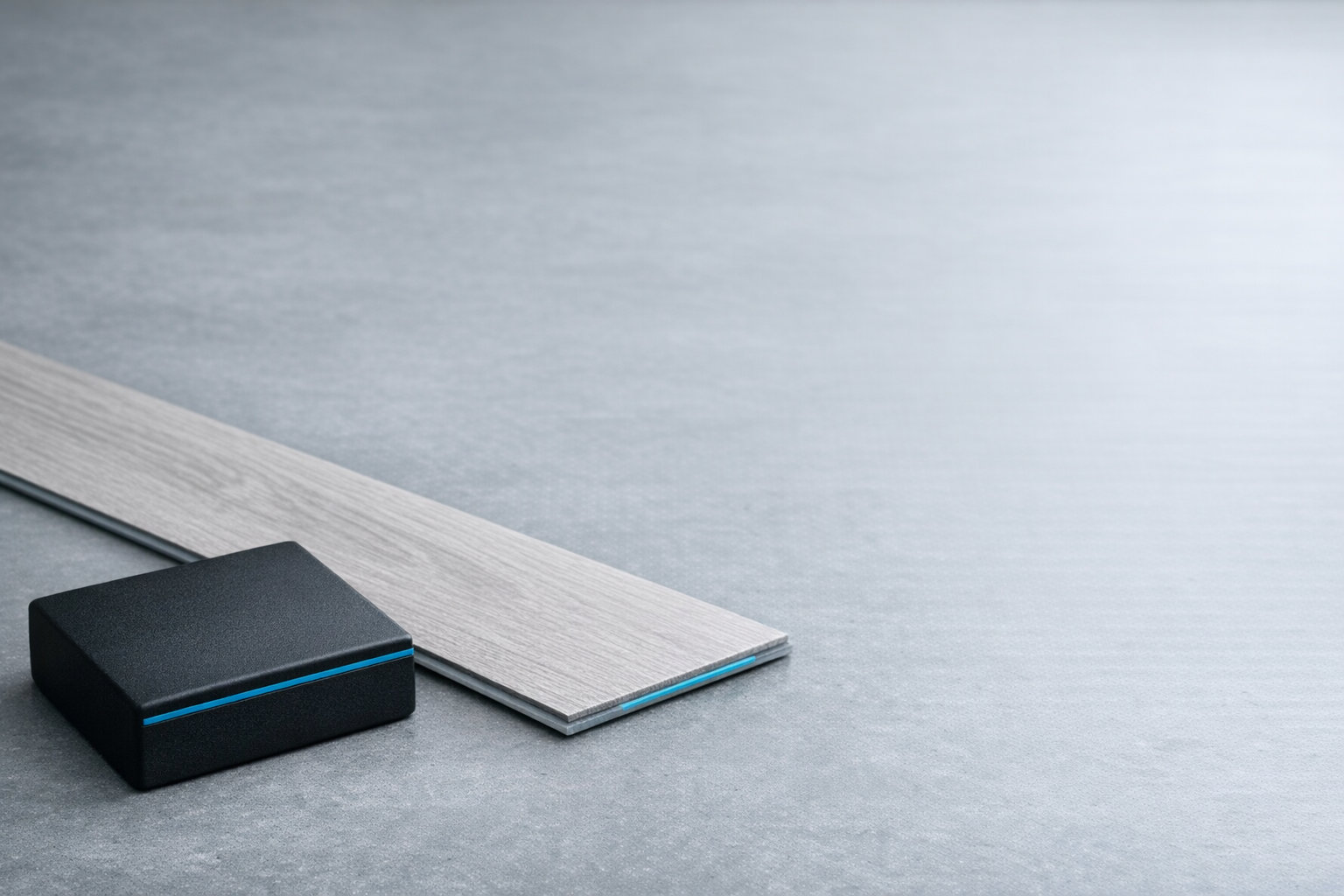
As expectations for construction quality and efficiency evolve, tool manufacturers have developed specialized solutions for different types of flooring installations. Using a flooring tapping block for vinyl, you can see how current tools streamline both planning and execution, which is especially noticeable with demanding flooring systems. Recent innovations allow for higher measurement accuracy and better layout control, contributing to improved results and reduced rework. Even incremental design changes can have a noticeable effect on the final fit and appearance of installed floors.
Changing demands are reshaping professional toolkits
Modern flooring projects often require rapid completion and have strict standards for minimizing errors, encouraging the adoption of advanced manual and powered tools. Professionals and contractors are increasingly relying on systems designed for tasks such as precise vinyl plank installation and intricate tile layouts. Attention has shifted toward tools that can save labor time while providing a consistent finish, which is important when working with complex materials where there is little margin for error.
Toolkits now commonly feature purpose-built tools to meet the unique requirements of products like engineered wood, luxury vinyl, and laminate. These solutions make it easier to handle fragile pieces while reducing the risk of surface damage. The move toward task-specific tools has led to more reliable results at job sites, with specialized tools offering greater control and versatility than older multipurpose options. Given the limited room for error in tight schedules, such innovations are now essential components for maintaining quality and keeping projects on track.
Ergonomics and injury prevention influencing designs
Tool design now frequently incorporates ergonomic considerations that address both comfort and the risk of repetitive strain injuries. Improved handle shapes support natural grip positions, while updated materials help reduce blistering and fatigue during repetitive activities. Tools with vibration-reduction features help provide better control and create more accurate work during installation sessions that involve repeated tapping or cutting tasks.
Lighter, well-balanced tools have become especially important in large installation jobs and for intricate patterns. These ergonomic enhancements not only improve comfort but also contribute to installation consistency by minimizing user fatigue. As a result, there are fewer chances for mistakes, helping installers meet demanding technical and visual standards. The value of ergonomic upgrades is most apparent during intensive schedules where consecutive flooring installations are required.
Measurement, layout, and trimming tools become smarter
Current flooring installation techniques require a high degree of measurement accuracy, making new developments in layout and measurement tools significant. Digital and hybrid measuring devices now enable precise marking for square and diagonal floor patterns. These tools help mitigate common alignment errors, which, if undetected during planning, can become conspicuous as an installation progresses. The outcome is less rework and less waste of materials.
Innovations in blade technology, guidance systems, and dust management have further improved both performance and safety. Some modern tools use advanced alloy blades that retain sharpness longer and deliver smoother cuts. Improved guide rails and edge support features allow installers to make cleaner joins and neater transitions between flooring pieces. These changes not only enhance the professional finish but also help reduce the risks associated with cutting and trimming materials on site.
Subtle innovations in impact and workflow solutions
Recent improvements in hand tools and impact aids have helped to decrease surface damage risk during installations involving engineered wood, laminate, or tile. Adjustments to tool-head shapes and the materials used can support better joint alignment and reduce the chances of marring finished surfaces. These modifications are important for achieving a high-quality appearance, especially with high-value flooring systems. Even modest upgrades can significantly affect the outcome and durability of an installation.
Organization and storage tools continue to be refined, supporting smoother workflow and reducing the time required for setup and tool changeovers. Modular storage options and stackable cases increase access efficiency, reducing downtime between critical installation phases. These arrangements help maintain consistent project momentum and reduce the likelihood of delays. The impact of systematic tool organization is most pronounced in busy environments where efficiency is vital.
As flooring installation practices develop, having toolkits that are compatible with a range of materials, built for durability, and easy to maintain is increasingly important. When selecting new tools, focus on indicators of toughness, straightforward maintenance requirements, and reliability over time in relation to your specific project needs. Prioritizing these factors can help you achieve higher quality installations and extend the lifespan of your tool investments.