There are many great things you can build in Minecraft. You may start with simple structures but eventually, you want to build up to something a little more complicated. A Minecraft casino can be the cumulation of everything you’ve learned so far.
On the face of it, Minecraft can seem quite simple. This is what makes the same so accessible and much-loved. Yet as you gain experience, you eventually start experimenting with greater builds that test your limitations. What’s where building a casino can come in.
Whether in Minecraft or in real life, casinos can be a huge amount of fun. Platforms such as Jackpot City South Africa can not only provide you with entertainment but may even give you a few ideas for the games to include in your Minecraft casino. Here’s how it can be done.
Plan the Layout Before You Place a Block
Before you build anything in Minecraft, you want to plan the layout beforehand. This applies whether you are building a simple home, your first castle fortress, or a grand casino. Not planning ahead can cause headaches further down the line.
When you step into a real casino, it doesn’t feel just like a collection of mini games. Instead, it feels like a whole experience. You want a similar thing for your casino build. The first consideration is size, including all the aspects of a casino you want to include, such as:
- A main entrance with decorative lighting
- A central gaming floor
- A cashier or token exchange area
- Private rooms for high-stakes games
- A secure and hidden redstone control room
A good idea is to sketch out a layout on paper to create a simple outline with an abundant resource, such as dirt or cobblestone, just so you know where everything will go. In survival mode, you may also wish to build a safe haven from mobs if you’re not close to a village.
Create a Simple and Secure Currency System
Another aspect you need to pre-plan is how players are going to pay and win rewards. Honor rules are okay but not if you want a secure and reliable system. Instead, it’s a good idea to create a token economy, with these steps:
- Players deposit diamonds, emeralds, or iron
- They receive “casino tokens”
- Machines accept only those specific tokens
This forms the basis from which you can build a secure exchange system using:
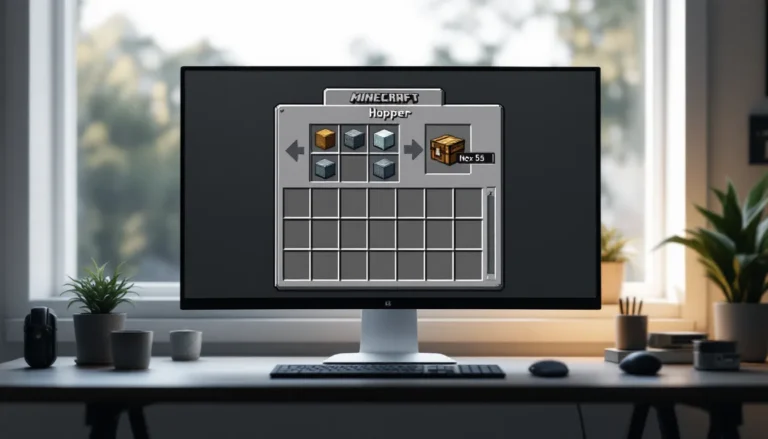
- Hoppers
- Droppers
- Comparators
- Redstone repeaters
- Locked hopper systems
As an example, when a player inserts a diamond into a chest, the comparator detects the signal strength, which then triggers a dropper. This releases a set number of tokens someone can play with. This helps to prevent duplication and keep things fair in your casino.
When building, always hide your redstone wiring behind walls or underground. This way, players can’t access your circuitry and exploit it. You’ll give yourself peace of mind knowing that your casino is both controlled and tamper-resistant.

Build Working Casino Games with Redstone
Once you’ve completed those steps, things get a little more technical. Thankfully, basic redstone mechanics are able to handle most designs. For example, for a slot machine, you can utilize:
- Dispensers with different colored items
- Observers
- Redstone clocks
- Randomizers using droppers
With this, when a player inserts a token, a pulse will trigger the dispensers to spin. You can then design a system that pays out when items match. This will then activate a comparator signal, which will then release a prize.
Once you have the mechanics working perfectly, you can work on the finishing touches, such as lamps that flash during spins, note blocks for sound effects and timed delays using repeaters. Another idea that is easy enough is a roulette-style game.
You can do this using a redstone lamp display, a rotating pulse circuit and a random stop mechanism. Players can then place tokens into labeled hoppers. When the pulse stops randomly, the winning section will trigger the payout dropper.
Design the Casino Interior for Immersion
While function matters, you also want to create a fun atmosphere that will mean players keep coming back. This includes aesthetics such as using quartz for a polished floor, using black concrete for a modern look or lanterns or slowstone for lighting.
Finishing touches can then be added, such as with custom banners, carpet patterns, water features and chandeliers. You may even want to build a VIP room for those who want a higher token buy-in. These touches allow your casino to feel layered rather than just a collection of machines.
While these touches are important, it’s a good idea not to get too ahead of yourself. Once you have built the exterior of the casino, it’s best to start with building your currency exchange. Then move on to building one reliable game to give yourself confidence.
After that, you can start to work on interior decoration before moving on to additional machines and perhaps adding advanced automation. A working Minecraft casino is a lot of fun but also plenty of hard work. When you plan carefully, you’ll create something players come back to time and time again.