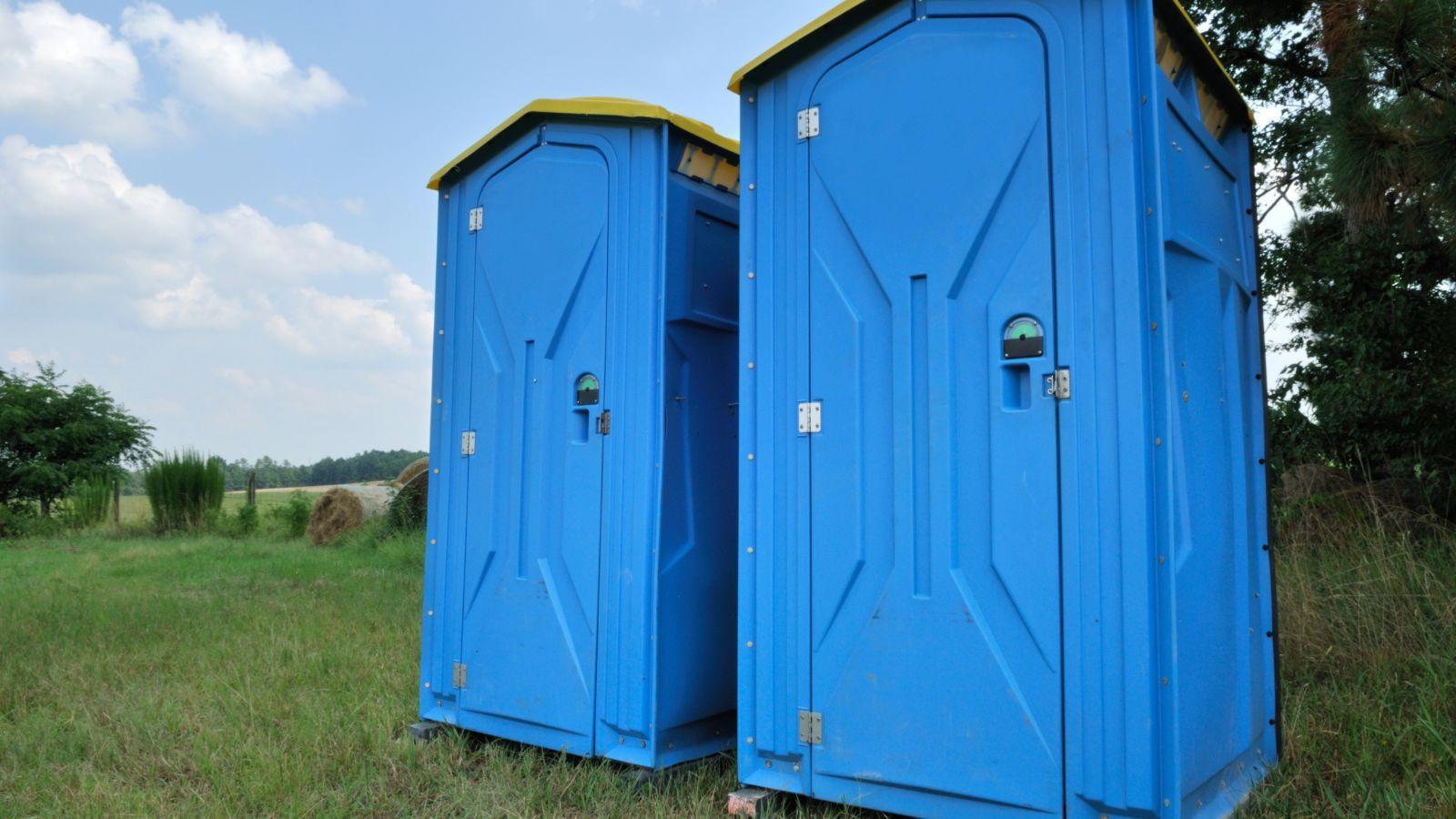
Portable toilets serve a far wider range of buyers than most people realize — from outdoor event operators to job site managers to rural property owners. And while renting is the default most people reach for, there are plenty of situations where buying outright is the smarter call.
This guide walks through who actually buys these units, when ownership makes financial sense, and what to look for to avoid a unit that disappoints.
When evaluating portable toilets for sale, prioritize holding tank capacity (typically 60 to 70 gallons for standard units), polyethylene construction for durability, integrated ventilation, and hand sanitizer dispensers.
Who Actually Buys Portable Toilets (and Why)
Buying directly from a manufacturer gives access to full specifications, volume pricing, and warranty support, which are just some of the advantages that rental companies cannot offer.
The buyer pool is broader than you’d guess. Event operators who run recurring festivals, markets, or wedding venues buy units rather than renting the same equipment dozens of times a year. Construction contractors with ongoing multi-site work often own their fleet.
Outdoor recreation businesses keep permanent units on site. And a growing number of buyers are thinking about emergency preparedness, wanting a reliable option when normal infrastructure is unavailable.
The common thread is recurring or long-term need. If you’ll use a unit repeatedly or keep it in place for months, ownership stops being unusual and starts being practical.
Rent vs Buy: The Honest Breakdown
The economics are simpler than the marketing makes them sound. For a genuine one-off project, renting is the preferred choice. You pay once, someone else handles delivery and servicing, and you’re done.
The calculation flips when use becomes regular. If you’re renting for multiple events a year, or you have a project that will run for many months, the accumulated rental fees often exceed the purchase price of a comparable unit within two to three years. After that, each additional use is essentially free, except for servicing. The honest question to ask yourself is: how many times will I need this? If the answer is “repeatedly” or “for a long time,” buying deserves a serious look.
Buying Direct from a Manufacturer
When you decide to buy, where you buy matters; sourcing directly from a manufacturer generally beats going through a reseller on three fronts: better pricing for volume orders, genuine warranty support from the people who built the unit, and access to complete specification sheets so you know exactly what you’re getting.
Browsing the units listed as portable toilets for sale directly from a manufacturer lets you compare tank sizes, materials, and features side by side rather than relying on a middleman’s product description. A manufacturer can also advise on the right unit for your specific use case, which a general distributor often can’t.
Key Features to Compare Before You Buy
Start with the holding tank capacity, measured in gallons. Standard units typically hold 60 to 70 gallons, and a larger tank means less frequent emptying. Check the material: durable polyethylene is the standard for good reason, shrugging off UV, weather, and rough handling. Look for a proper ventilation pipe that keeps the interior usable for far longer between services.
Consider the toilet seat type and whether the unit includes a hand sanitizer dispenser or a more complete handwash setup. If you’ll be moving or storing units, stackability and overall weight matter more than buyers expect. None of these is glamorous, but each one determines how happy you’ll be with the unit a year in.
Maintenance: What Owning a Portable Toilet Actually Involves
Owning a unit means handling the upkeep yourself, and it’s worth being realistic about what that involves. You’ll use a chemical deodorizer in the holding tank to control odor and break down waste. You’ll need an emptying and pumping schedule, either done yourself with the right equipment or contracted out to a local service. Routine cleaning keeps the unit pleasant and extends its life. And in colder climates, winterization protects the tank and plumbing from freeze damage. None of this is difficult, but it’s an ongoing responsibility that renting otherwise hands off to someone else.
Frequently Asked Questions
What is the average cost of a portable toilet for sale?
Prices vary widely by size and features. Standard single units generally start in the lower four figures, while higher-capacity, flushable, or ADA-compliant models cost more. Buying direct from a manufacturer often improves pricing, especially on multiple units.
How long does a portable toilet last if purchased new?
A quality polyethylene unit that’s properly maintained can last many years of regular use. Durability comes down to material quality, UV resistance, and how consistently it’s cleaned and serviced.
What chemicals do you use in a portable toilet? Holding tanks use a chemical deodorizer to control odor and help break down waste between pump-outs. These are widely available and dosed according to tank size and usage.
Can you buy a portable toilet for home use?
Yes. Rural properties, off-grid cabins, large rural lots, and homes undergoing renovation are common use cases. Owning a unit makes sense when there’s a recurring or extended need for access to indoor plumbing.
To Buy or Not to Buy
Buying a portable toilet comes down to honest math and a few key specifications. If your need is recurring or long-term, ownership usually pays for itself within a couple of years. When you reach that point, lean toward buying directly from a manufacturer, where pricing, specs, and after-sales support tend to be strongest. Get those three things right, and the unit will serve you reliably for years.