
The stability of the electrical grid has become a primary concern for homeowners across North America. Aging infrastructure and frequent extreme weather events have transformed backup power from a luxury into a necessity. In 2026, the technology powering these systems has shifted dramatically.
Homeowners are no longer limited to loud, combustion-based engines that sit rusting in the backyard. The market has evolved toward smarter, cleaner, and more efficient solutions. Before you make a significant investment in energy security, you must understand the new technical landscape of residential power resilience.
The Shift in Backup Architecture
For decades, the standard approach to backup power involved an internal combustion engine connected to a fuel line. These units would mechanically generate electricity when the grid failed. However, 2026 marks a turning point where solid-state technology is overtaking mechanical generation.
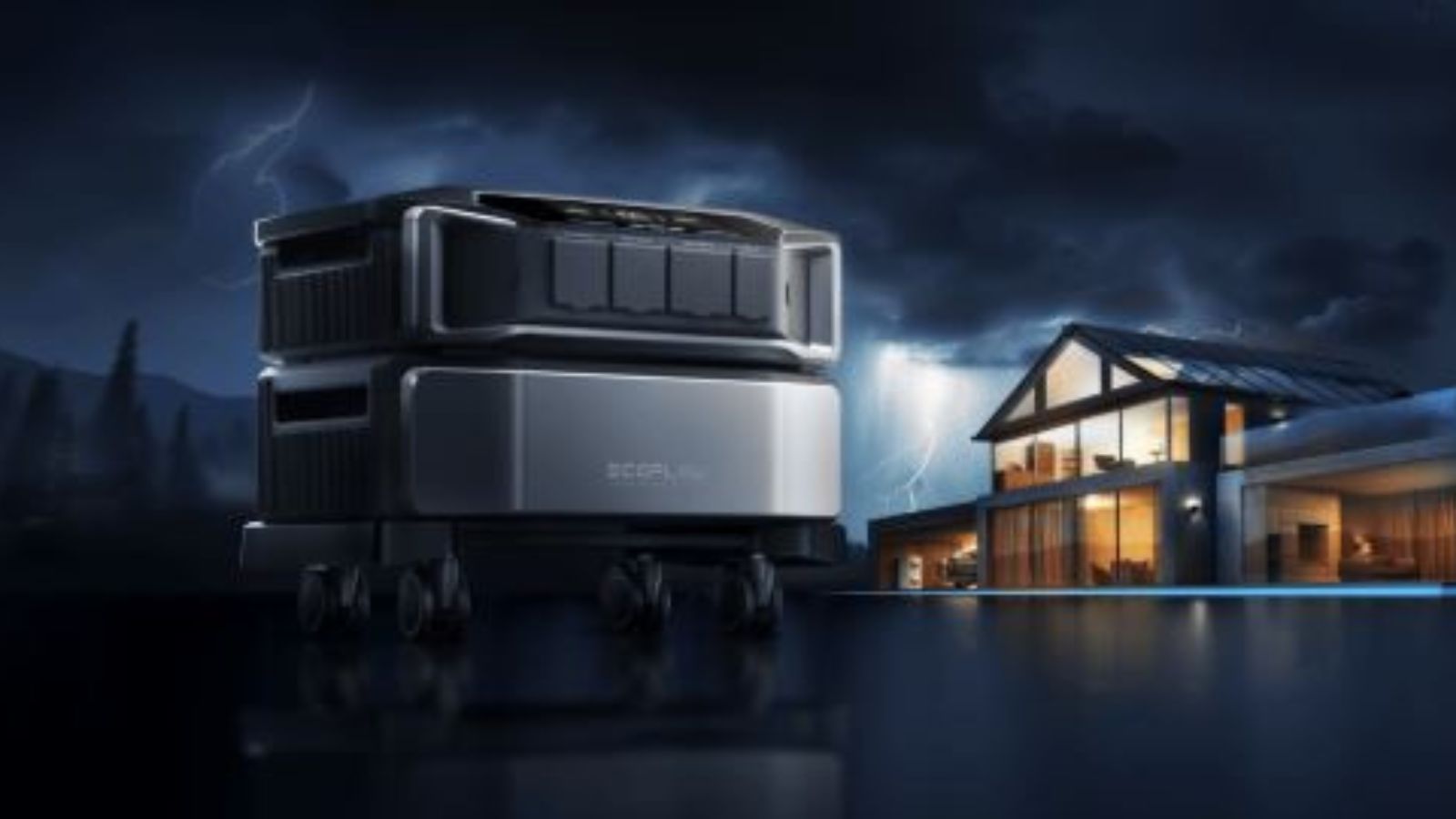
Modern energy resilience focuses on storage rather than on-demand generation via combustion. A battery-based whole home generator stores energy from the grid or solar panels, providing instant power without the noise or maintenance associated with traditional engines.
This architectural shift changes how we define a generator. It is no longer just a motor; it is an intelligent energy management system. The focus has moved from simply keeping the lights on to managing load priorities and integrating renewable sources seamlessly.
Impact on Maintenance Cycles
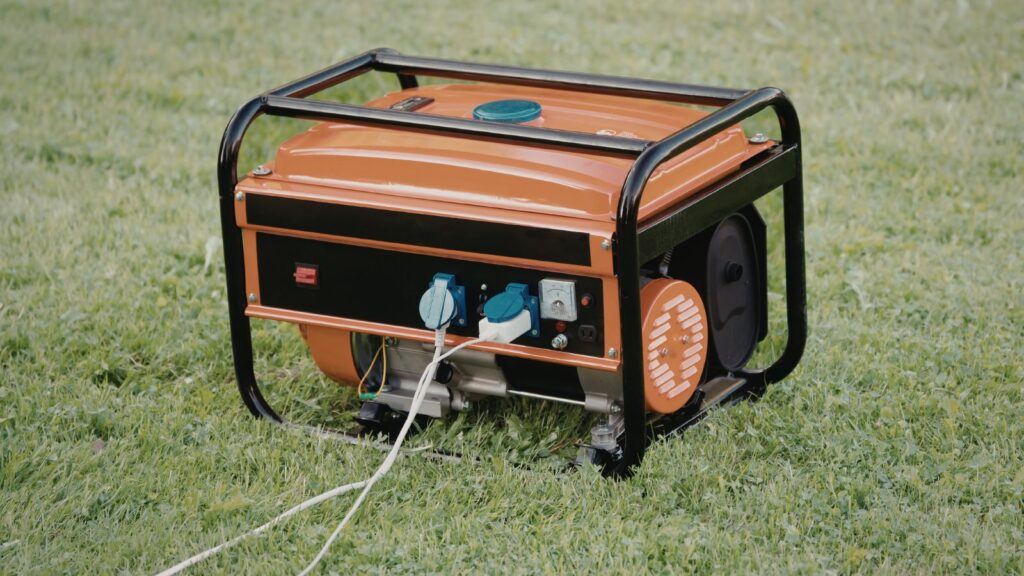
Traditional combustion generators require strict maintenance schedules. You must change the oil, check spark plugs, and run the unit weekly to prevent the carburetor from clogging. Failure to do so often results in the unit failing exactly when you need it most.
In contrast, modern battery-based systems have virtually zero moving parts. There are no fluids to change and no filters to replace. The system maintenance is largely software-based, with firmware updates handling optimization automatically over the cloud.
Fuel Sources vs. Energy Density
When evaluating a whole home generator, the primary variable is the fuel source. Propane and natural gas have historically been the default choices. While they offer high energy density, they introduce significant logistical points of failure during a widespread regional disaster.
Natural gas lines can be shut off during seismic events or severe storms to prevent leaks. Propane tanks require delivery trucks, which may not be able to reach your home if roads are iced over or flooded. Reliance on a physical fuel supply chain is a vulnerability.
The Solar Integration Factor
A solar-charged whole home generator creates a closed-loop energy system. By pairing high-capacity batteries with photovoltaic input, you create a generator that refuels itself daily. This is the only true “infinite” runtime solution available for residential use.
- Passive Charging: The system harvests energy even when you are not actively monitoring it.
- Grid Independence: You are not reliant on a utility company or a fuel delivery service.
- Cost Mitigation: Solar input reduces the daily cost of operation to zero after the initial hardware investment.
Understanding Output and Surge Capacity
One of the most common mistakes buyers make is confusing running watts with surge watts. Every appliance with a motor, such as a refrigerator or an HVAC compressor, requires a spike of power to start up. This surge can be three times the running wattage.
If your whole home generator cannot handle the aggregate surge of your appliances, the system will trip immediately. In 2026, advanced inverters use soft-start technologies to manage these loads more effectively, but the raw output capacity remains a critical “hard number” to verify.
Calculating Your Base Load
You do not necessarily need to power every lightbulb in the house simultaneously. The goal is to sustain critical infrastructure. You must calculate the wattage of essential circuits rather than the square footage of the home.
A robust system should handle 240V appliances like dryers and well pumps. If a whole home generator is limited to 120V output, it cannot truly be considered a “whole home” solution for most American households.
Noise Pollution and Zoning Compliance
The acoustic footprint of a generator is often an afterthought until the unit is installed. Traditional air-cooled standby generators typically run between 65 and 75 decibels. This is roughly equivalent to a vacuum cleaner running continuously next to your window.
Many Homeowners Associations (HOAs) and municipalities have strict noise ordinances that restrict the operation of machinery at night. A loud whole home generator may technically provide power, but you might be legally prohibited from running it during quiet hours.
Battery-powered systems operate silently. There is no internal combustion, no exhaust, and no vibration. This silence allows for installation in locations where a gas generator would be impossible, such as close to property lines or even inside a garage, provided the chemistry is safe.
Switchover Speed and Power Quality
In the digital age, the quality of electricity is just as important as the quantity. Old-school generators often produce “dirty power” with unstable frequency and voltage fluctuations (Total Harmonic Distortion or THD). This can damage sensitive electronics like computers and smart appliances.
A modern whole home generator utilizes pure sine wave inverters. This ensures the power output is identical to, or cleaner than, the electricity provided by the utility grid. This is non-negotiable for modern homes filled with microprocessors.
The Transfer Switch Mechanism
The speed at which the system takes over is critical. Traditional mechanical switches can take 10 to 30 seconds to engage. During this gap, clocks reset, internet modems reboot, and desktop computers crash.
- Uninterrupted Power Supply (UPS): Modern systems offer switchover times under 20 milliseconds.
- Seamless Transition: The transition is often imperceptible to the human eye.
- Data Protection: This speed prevents data loss in home offices and servers.
Financial Incentives and ROI
The sticker price of a whole home generator is only part of the financial equation. In 2026, the economic landscape favors clean energy storage due to government policy. The Inflation Reduction Act and various state-level incentives have changed the Return on Investment (ROI) calculation.
While fossil fuel generators are sunk costs, battery systems qualify for the 30% Federal Investment Tax Credit (ITC). This credit significantly lowers the effective cost of the hardware and installation, narrowing the price gap between old and new technologies.
Time-of-Use Arbitrage
Beyond tax credits, a smart whole home generator can save money daily. Many utilities charge higher rates during peak evening hours. An intelligent system can store cheap grid power at night and discharge it during expensive peak windows.
This capability allows the system to pay for itself over time, something a propane generator can never do. The software governing the whole home generator manages this arbitrage automatically, turning an emergency asset into a daily financial tool.
Future-Proofing Your Home
Buying a whole home generator is a long-term infrastructure decision. The unit you install today needs to remain relevant for the next decade. The grid is moving toward Virtual Power Plants (VPPs), where decentralized storage helps stabilize the wider network.
A connected, battery-based system is VPP-ready. In some regions, utilities already pay homeowners to access a portion of their stored energy during grid stress events. This transforms your backup power from a passive insurance policy into an active revenue generator.
Choosing a modular system is also vital for future-proofing. As your family grows or you add an electric vehicle (EV) to your garage, your power needs will increase. A rigid system requires full replacement to upgrade, whereas a modular whole home generator allows you to simply add more capacity units to the existing stack.