Introduction to the Phenomenon of Digital Items in Video Games
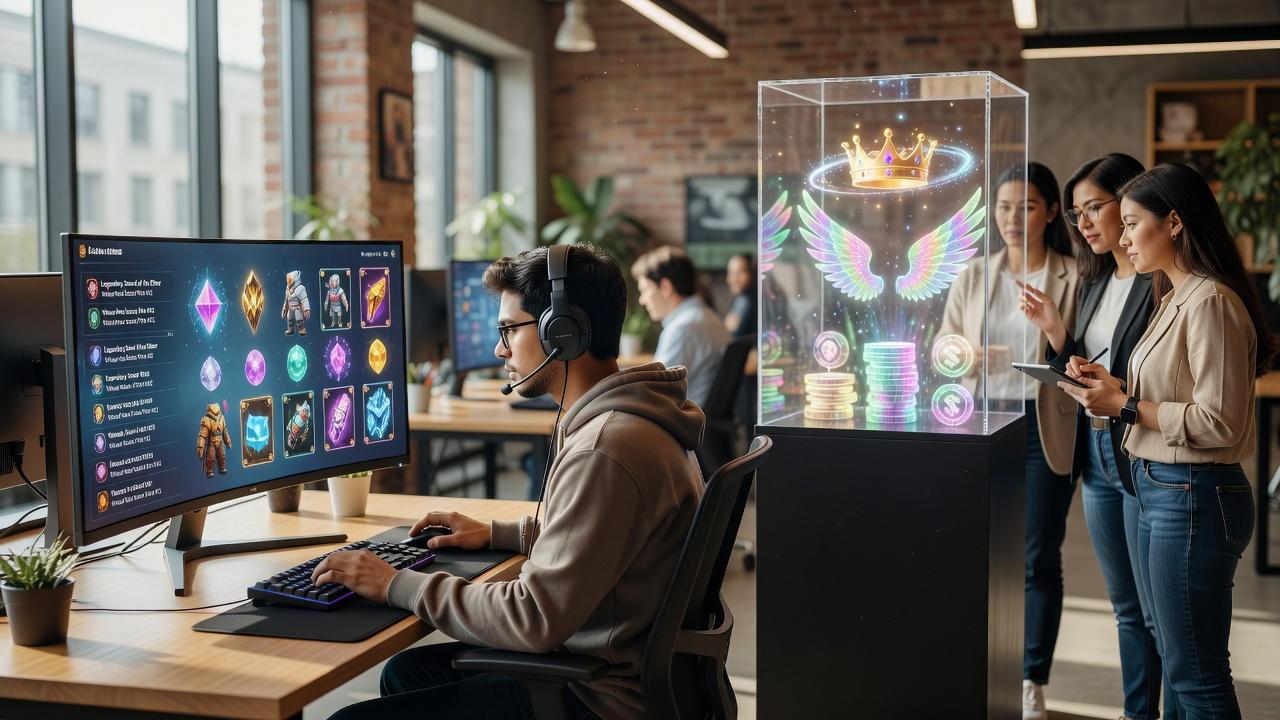
Digital items in video games have become much more than simple utilitarian objects. From customized weapons and exclusive outfits to virtual vehicles, these items generate identity and a sense of belonging within online worlds. It’s no coincidence that the global market for trading virtual items has already surpassed $60 billion annually, according to figures from Newzoo. An entire generation of players, developers, and companies coexist with an economy that was born within the game but now influences the culture, trends, and business models of digital entertainment. While some items enhance in-game abilities, others serve purely aesthetic functions but reach surprising values. This diversity of objectives has driven more and more games to adopt models based on the buying, selling, or trading of digital items, giving rise to their own internal economies.
The Success Story: CS:GO Trading and Its Influence on the Industry
The digital item economy finds one of its greatest exponents in Counter-Strike: Global Offensive. One of the most prominent examples of cs go trade is the exchange and acquisition of skins and other items through aggregators and specialized digital stores. This phenomenon has allowed some items to exceed $100,000 in value, even being sold in international auctions. The popularization of this model has contributed to the emergence of new professions, such as streamers specializing in trading, virtual market analysts, and operators of online stores dedicated exclusively to in-game items. Furthermore, the decentralized trade of items has generated a “parallel economy” outside the game itself, where factors such as speculation, investment, and limited-edition collecting come into play. This impact has inspired other franchises to replicate similar models, further amplifying the influence of virtual economies on consumption and business practices in the video game sector.
The Mechanisms Behind Virtual Economies
Beneath the surface of every video game lies a complex ecosystem where supply and demand dictate the value of virtual items. In popular titles, prices fluctuate daily in response to events, updates, and trends. Developers have created systems of chests, loot boxes, and random drops as distribution methods. Users and collectors value the rarity and age of certain items, and digital marketplaces—such as the Steam Community Market or independent third-party sites—act as intermediaries in the buying and selling process. These online stores facilitate price formation, item liquidity, and transaction authenticity, although they are not exempt from fees and restrictions imposed by the game publishers themselves. In turn, entire communities have emerged dedicated to analyzing prices, trends, and predictions to help both casual players and serious virtual investors.
Impact on the Player and Community Experience
The fact that players can trade and collect items profoundly transforms the way they experience video games. For many, completing a collection of exclusive skins is as significant an achievement as winning a match. Trading intensifies the sense of belonging and promotes interaction among users; Social media and forums are filled with discussions about rarities and trading strategies. However, this dynamism also introduces challenges: from the emergence of betting related to digital objects to the risk of fraud and account theft. Some titles have been criticized for mechanics that border on chance, sparking debates about whether certain practices can be considered disguised gambling. Despite these nuances, the virtual market has strengthened communities and given players new objectives beyond traditional competition.
Risks, Challenges, and Perspectives of Future Digital Economies
While the rise of virtual goods has opened doors to creative and lucrative models, it is not without its dangers. Account theft, scams through fake websites, and price manipulation represent considerable risks for both users and businesses. Legal loopholes, a lack of clear regulation, and dependence on external aggregators necessitate stricter regulations in the coming years. Emerging technologies such as blockchain and NFTs offer potential solutions for tracking ownership and authenticating the provenance of digital objects, while also posing new regulatory and technical challenges. The future of virtual economies appears to be linked to greater professionalization, the integration of security systems, and the emergence of monetization methods where users can transfer value between different games and even connect the virtual world with the real economy.
Conclusion
The digital age has established new rules in entertainment: virtual items are no longer just pixels, but assets with a real impact on the lives of millions of people. Understanding the dynamics and challenges of these economies is key for both gamers and those seeking to innovate within the video game industry.